


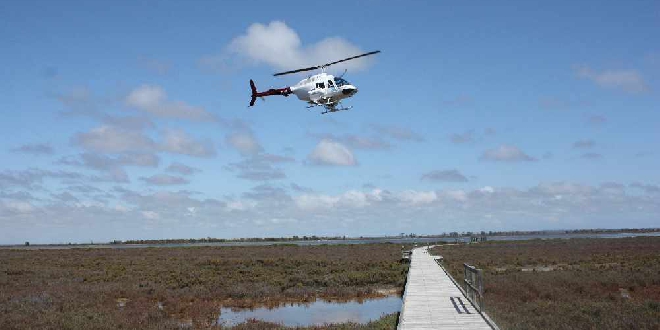
Aerial mosquito treatments have started in the City of Mandurah in a bid to reduce winter larvae numbers.
The City of Mandurah's Chief Executive Officer Mark Newman said with the start of spring just around the corner, more people will be spending time outdoors, coinciding with an increase in mosquito activity.
"As the weather warms up people tend to spend more time outdoors, so it's important that we remember to protect ourselves and our families and not to rely on mosquito reduction efforts alone.”
Aerial treatments will continue for the remainder of the 2018/19 season.
To minimise the risk of mosquito bites and the risk of disease, people should:
- use personal insect repellent containing DEET or Picaridin;
- cover up by wearing long, loose fitting clothing, avoid wearing dark colours;
- ensure infants and children are adequately protected against mosquito bites, preferably with suitable clothing, bed nets or other forms of insect screening;
- avoid outdoor exposure particularly during peak mosquito activity times, at dawn and dusk;
- ensure screen doors and windows are secured properly;
- empty or cover any standing water around the home or holiday accommodation to reduce mosquito breeding;
- use pesticide barrier sprays around the home garden that provide ongoing relief from mosquitoes; and
- use mosquito nets or mosquito-proof tents when camping or sleeping outdoors.
For more information visit www.mandurah.wa.gov.au.
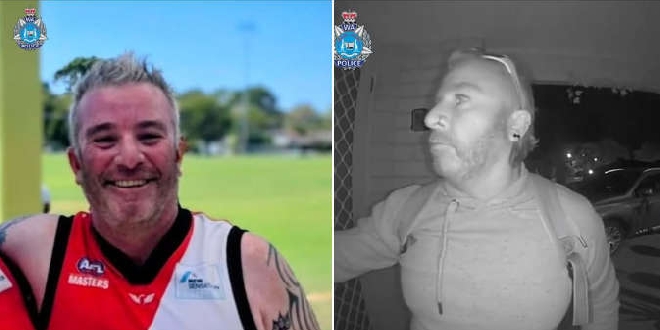 Concerns for missing man last seen in Medina
 Man charged after slashing victim's neck with glass in Madora Bay
 Rockingham disability accommodation and social housing refurbished thanks to State Government grant
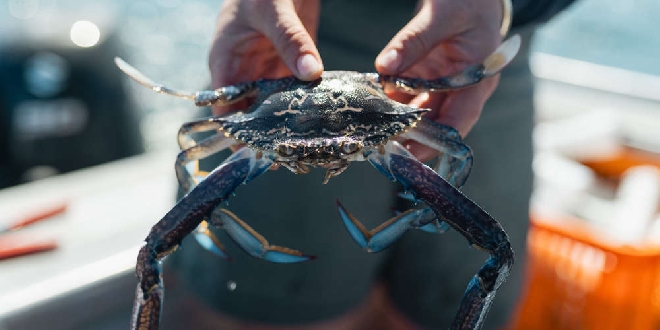 Local fishers asked to have their say on extending crabbing season closure, simplifying bag and boat limit rules
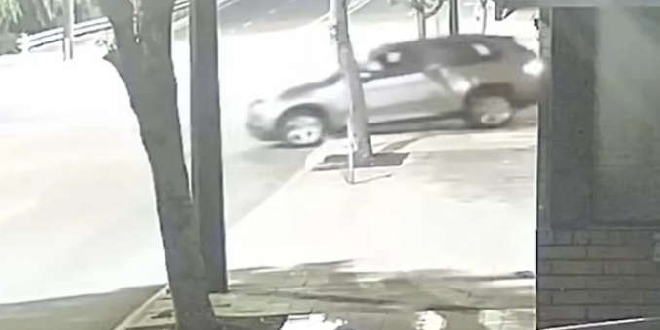 Detectives hunt driver who reversed into Mandurah tobacco store
 Mandurah Crab Fest boasts huge range of free, family friendly entertainment
 Fuel prices surge in Perth, Mandurah
 Teen boys charged over Mandurah burglaries
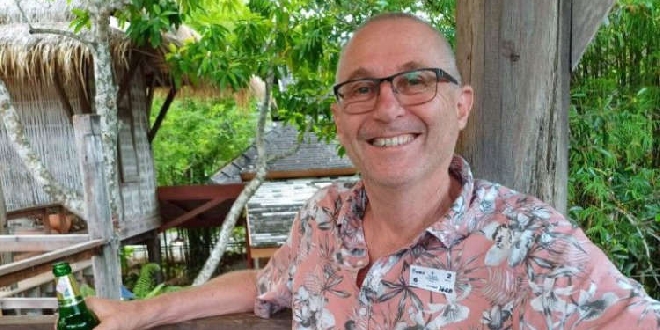 Tragic update in search for missing man Robert Snyder